
Building a Plan to Protect Natural Assets and Strengthen Climate Resilience
The NAM project is based on a process consisting of the following six steps:
 | Step 1 - Determine the Current State of Natural Assets Understanding what natural assets exist across the region and where they are located. It includes updating the natural asset inventory using the most current data and mapping of forests, wetlands, aquifers, rivers, and parks. |
 | Step 2 - Assess Condition and Risks Evaluates the condition of natural assets and identifies risks that may affect them, including climate-related risks such as drought, flooding, wildfire, and development pressures. |
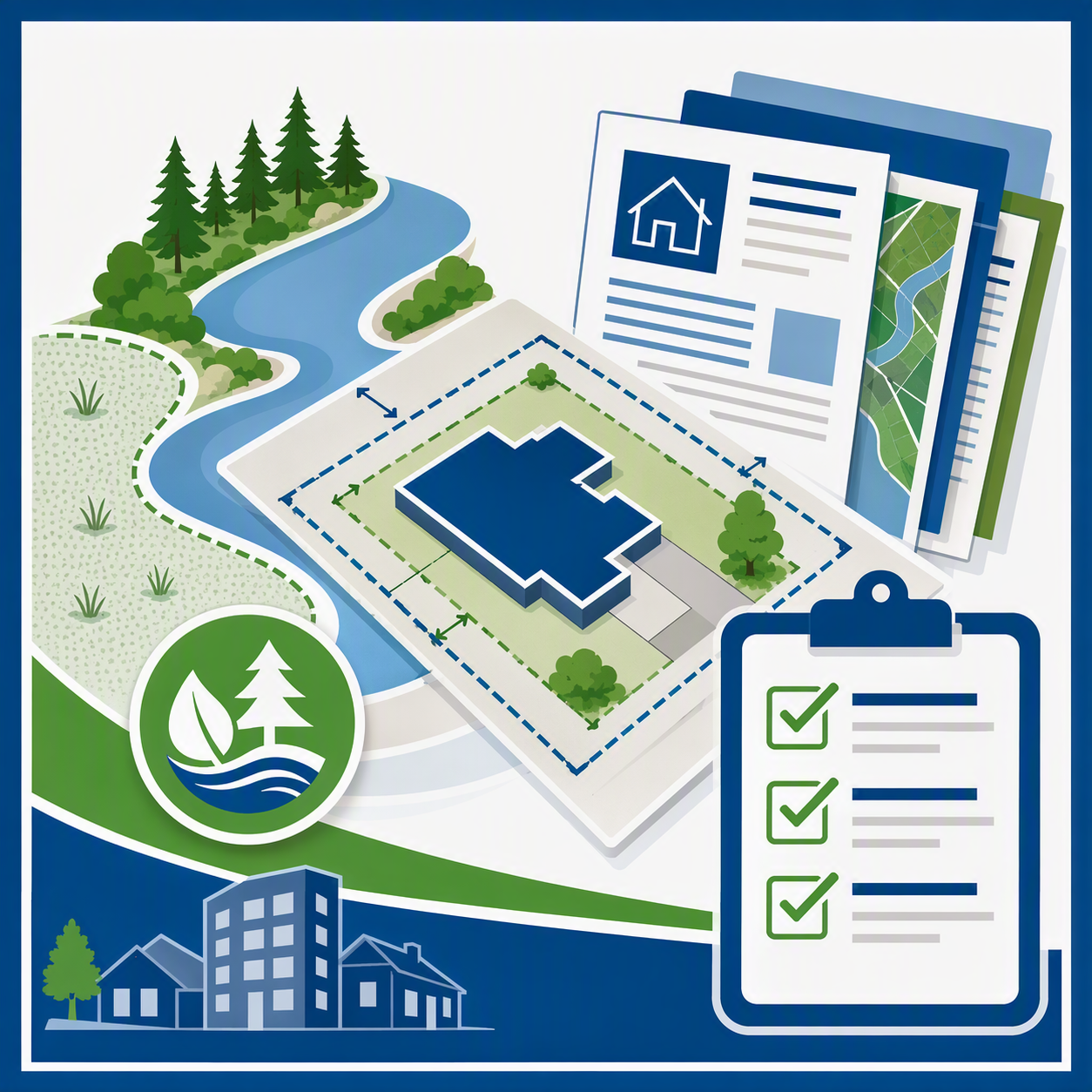 | Step 3 - Evaluate Ecosystem Services Identifies and evaluates the services natural assets provide, such as water supply, flood protection, recreation, and climate regulation. |
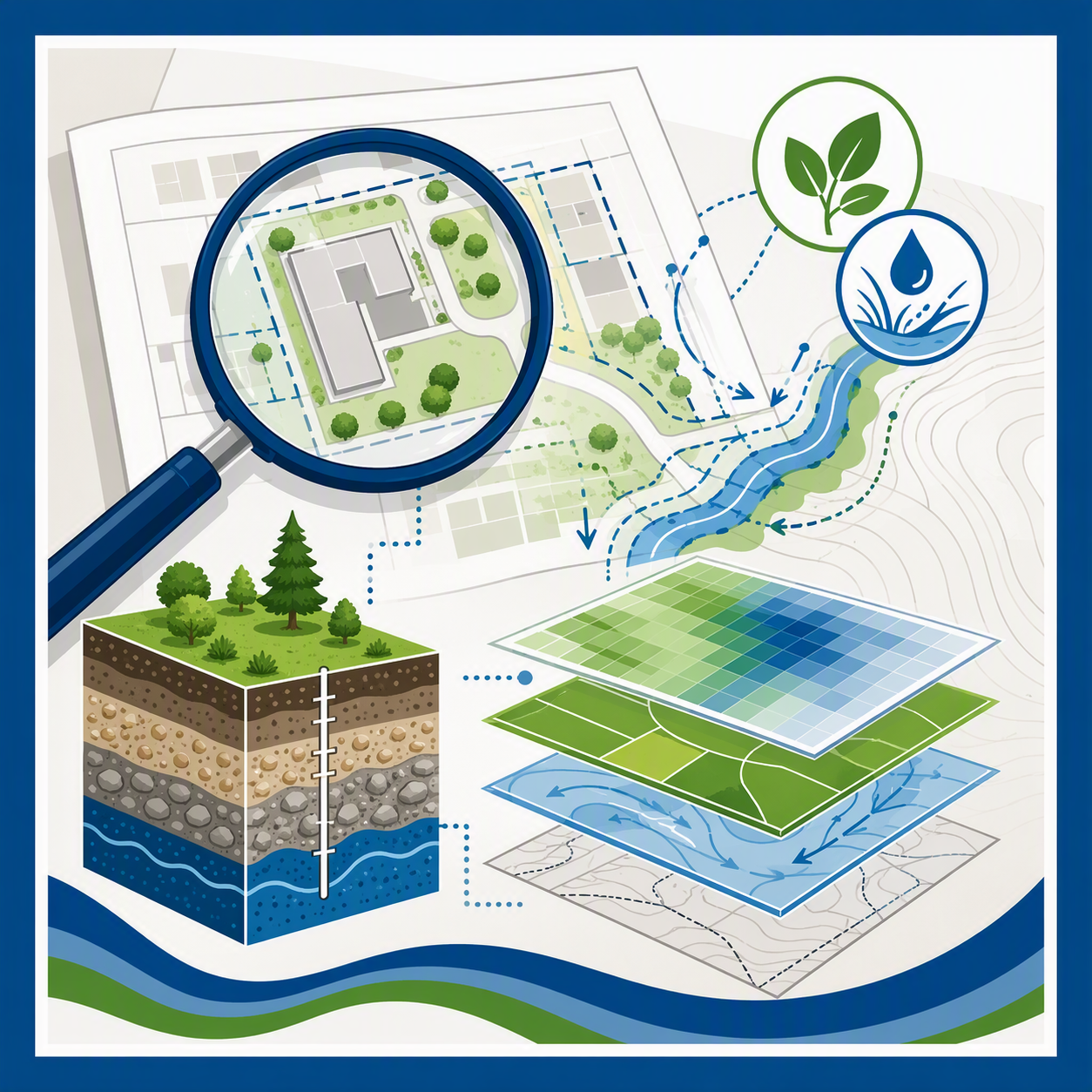 | Step 4 - Develop Management Options Explores policies, programs, and actions to protect, restore, and enhance natural assets. |
 | Step 5 - Engagement on Management Options Gathers input from the public and stakeholders to refine options and priorities. |
 | Step 6 - Develop a Climate Adaptation Plan for Natural Assets Brings together technical analysis and engagement findings into a comprehensive plan. |
