Rural Housing Strategy
Project Overview
The Regional District of Nanaimo (RDN) is developing a Rural Housing Strategy (the Strategy) to respond to housing affordability challenges and changing housing needs in rural communities.
Rural electoral areas face different realities than urban areas. Limited water and sewer servicing, higher infrastructure costs, land constraints and fewer housing options mean that many residents rely on non‑traditional housing such as secondary suites, manufactured homes, tiny homes or recreational vehicles. The Strategy will help the RDN better understand these realities and identify realistic, rural‑appropriate housing solutions.
The Strategy applies to Electoral Areas A, C, E, G and H and will help guide future land use planning, zoning and housing‑related policies in rural areas.
LATEST NEWS: Survey Now Closed - Thank you to everyone who participated in the Rural Housing Strategy survey. We appreciate the time and feedback shared by community members across the region. The project team is now reviewing the input received, which will help shape the next phase of the project. Please check back regularly for project updates, engagement results and future opportunities to get involved.
Staff will present a project update report to the Electoral Area Services Committee (EASC) on September 3, 2026, including a summary of the public engagement findings received to date and an overview of the next steps in developing the Rural Housing Strategy. See Report here
Why This Project has Been Initiated
Rural communities across the RDN are experiencing growing housing pressures, including rising costs, limited availability of affordable housing and fewer housing choices for seniors, families, workers and lower‑income households. Servicing limitations and development costs also affect what types of housing can realistically be built.
The Strategy is intended to take a practical, evidence‑based approach to rural housing. It will focus on what can realistically be delivered given rural conditions, infrastructure limitations, development economics and community values.
Project Goals
The Strategy will:
- Develop a data‑informed, rural‑specific housing strategy
- Identify viable and affordable housing forms appropriate to rural areas, such as manufactured home parks, secondary suites, tiny homes, cooperative housing and non‑profit housing
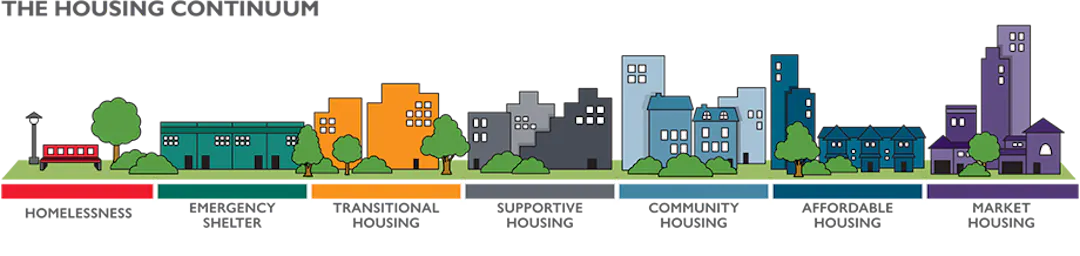
- Improve understanding of the full rural housing spectrum, from secure to insecure housing
- Identify key barriers and opportunities related to land use, servicing, development costs and community acceptance
- Provide clear, evidence‑based direction to the RDN Board to support informed decision‑making and future policy development
How the Strategy Is Being Developed
The Strategy is a multi‑phase project that combines public and interest group engagement, economic and development feasibility analysis and policy development. Engagement is a core part of the process. Input from residents and interest groups will help ground the Strategy in real rural experiences and will directly inform its recommendations.
Project Phases
Phase 1: Scoping and Background Review
This phase involved reviewing existing housing data, policies and growth trends and identifying key rural housing issues such as affordability gaps, servicing constraints and limited housing choice. This information helps provide context for engagement activities.
Phase 2: Public and Interest Group Engagement
The RDN will lead a comprehensive engagement program to hear directly from rural residents and interest groups.
Engagement activities will include:
- Three open houses in rural electoral areas
- Region‑wide notification through the RDN website and newspaper advertising
- Targeted outreach to community organizations, First Nations, housing providers and nonprofit organizations
- A post‑engagement forum for elected officials focused on the real cost of affordable housing in the RDN
All input will be documented, summarized and analyzed in an engagement summary report.
Phase 3: Economic Analysis and Rural Directors Forum
An economic and land use analysis will assess the feasibility of different rural housing types, including land and servicing costs. This phase will include testing multiple housing scenarios and a facilitated forum for rural area RDN Directors to explore trade‑offs, constraints and realistic housing outcomes.
Phase 4: Strategy Development
Using engagement input, economic analysis and policy review, a draft Rural Housing Strategy will be prepared. The strategy will include recommended policy directions, priority housing approaches and an implementation framework.
Phase 5: Policy Integration and Implementation
Once adopted, the Strategy will help guide future updates to Official Community Plans, zoning bylaws and supporting planning tools and policies, such as approaches to secondary suites, temporary use permits and manufactured home parks.
How Public Input Will Be Used
Public and interest group input will be carefully reviewed and directly inform the development of the Strategy. The RDN’s commitment is to listen to rural communities and use that input to shape realistic and achievable housing policies.
Stay Informed and Get Involved
This page will be updated as the project progresses. Upcoming engagement opportunities, background materials and reports will be shared here as they become available.
Want to stay informed and learn more?
- Subscribe through the Stay Informed tab to receive direct email updates
- Visit the Document Library to learn more about the project.
- See our FAQs or What's New tab to better understand this project.
- Register to complete the survey.
- Ask a question in the Q&A tab and we will respond
- Connect with our Team under Who's Listening
- Share this page and spread the word!